Stricter Roadside Eyesight Checks in 2026. Here’s what Drivers Need to Know
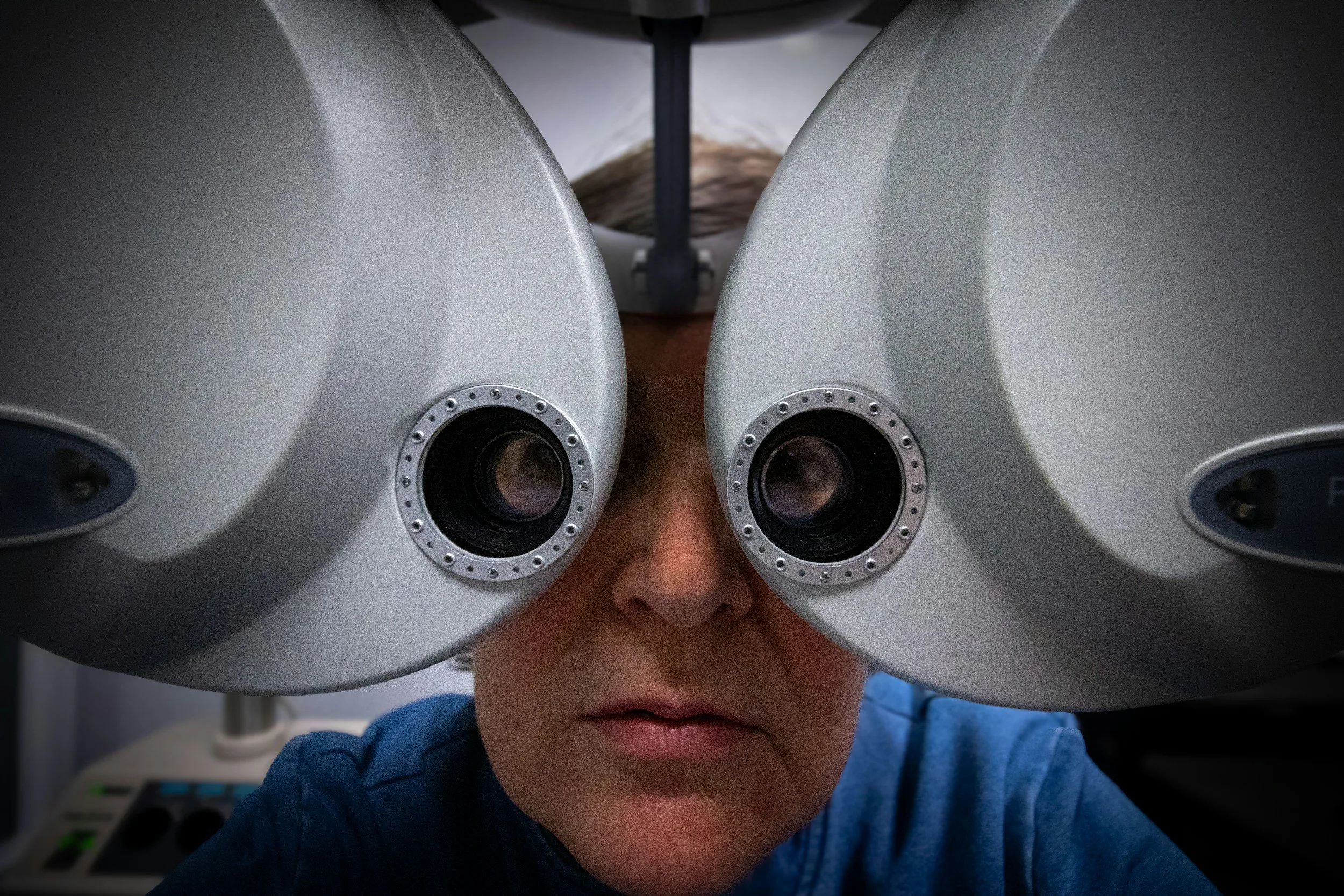
Most of us don’t spend much time thinking about our eyesight when we get behind the wheel.
We think about fuel, traffic, whether we remembered to reply to that message before setting off, and whether the person in front is about to indicate at the last possible second. But our vision often gets taken for granted.
The trouble is, even small changes in your eyesight can make a big difference when you’re driving. Road signs can become harder to read, glare from headlights can feel more intense, and judging distances can become more difficult than it used to be.
That’s one of the reasons there’s been so much discussion around stricter roadside eyesight checks in the UK in 2026. And if you drive regularly, it’s worth knowing what that could mean for you.
Why good eyesight matters so much when you drive
Driving is full of split-second decisions.
You’re constantly reading the road ahead, spotting hazards, checking mirrors, noticing pedestrians, watching speed limits, and reacting to what other drivers are doing. If your vision isn’t as clear as it should be, even simple journeys can become more risky.
That doesn’t just apply to long-distance driving or motorway journeys either. A quick trip to the shops or the school run still demands good eyesight and concentration.
It’s easy to assume that if you can “mostly see fine”, that’s enough. But when you’re driving, “mostly fine” isn’t really the standard you want.
What could happen if you fail a roadside eyesight test?
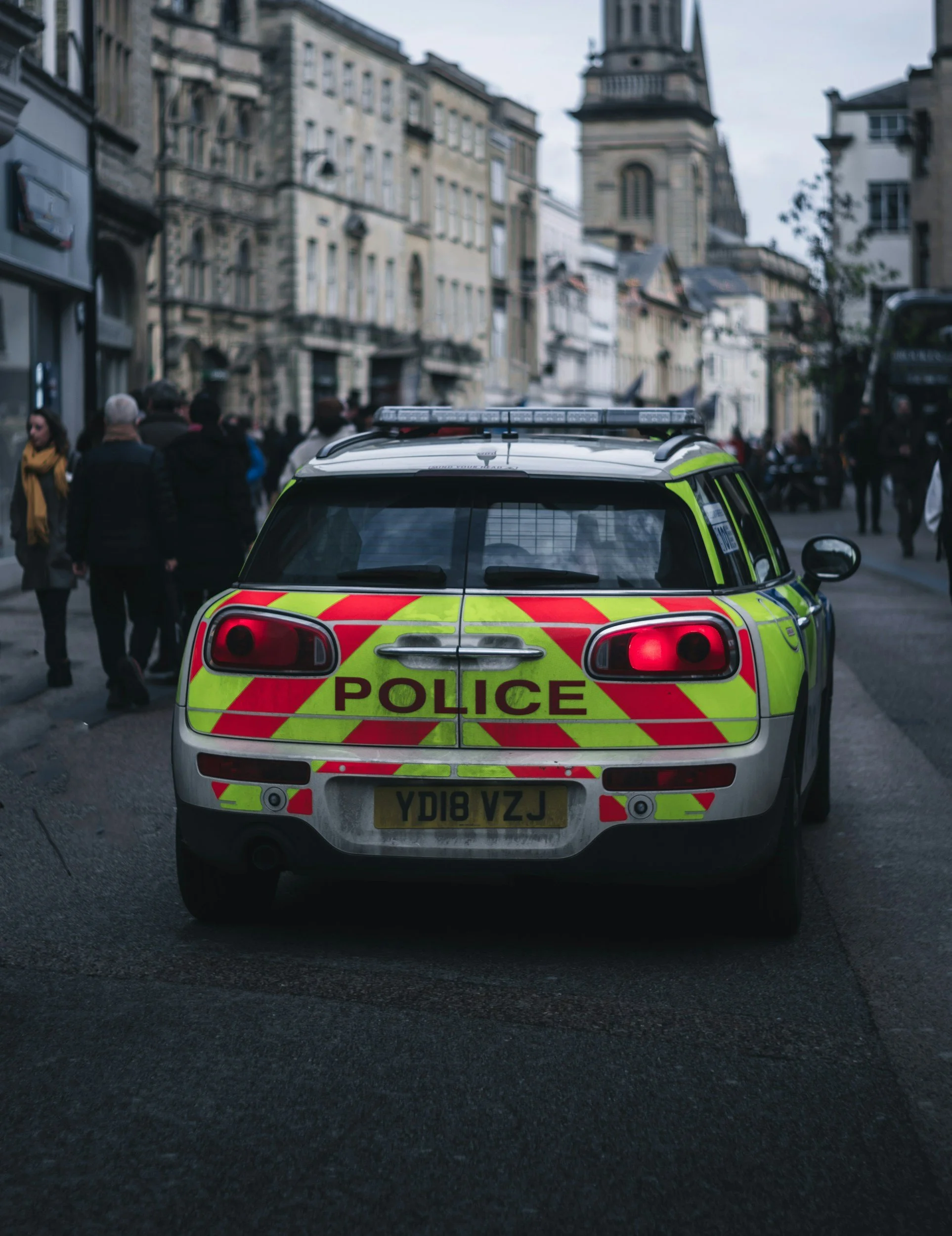
If a driver can’t meet the legal eyesight standard at the roadside, they may not be allowed to continue driving.
That means they could be left needing someone else to collect the vehicle, and they may then have to go through further checks or assessments before they’re allowed back on the road.
For most people, that would be stressful enough on its own. But it could also affect work, school runs, appointments, caring responsibilities, and everyday independence.
It’s the kind of situation nobody wants to find themselves in, especially if the problem could’ve been picked up earlier with a routine eye test.
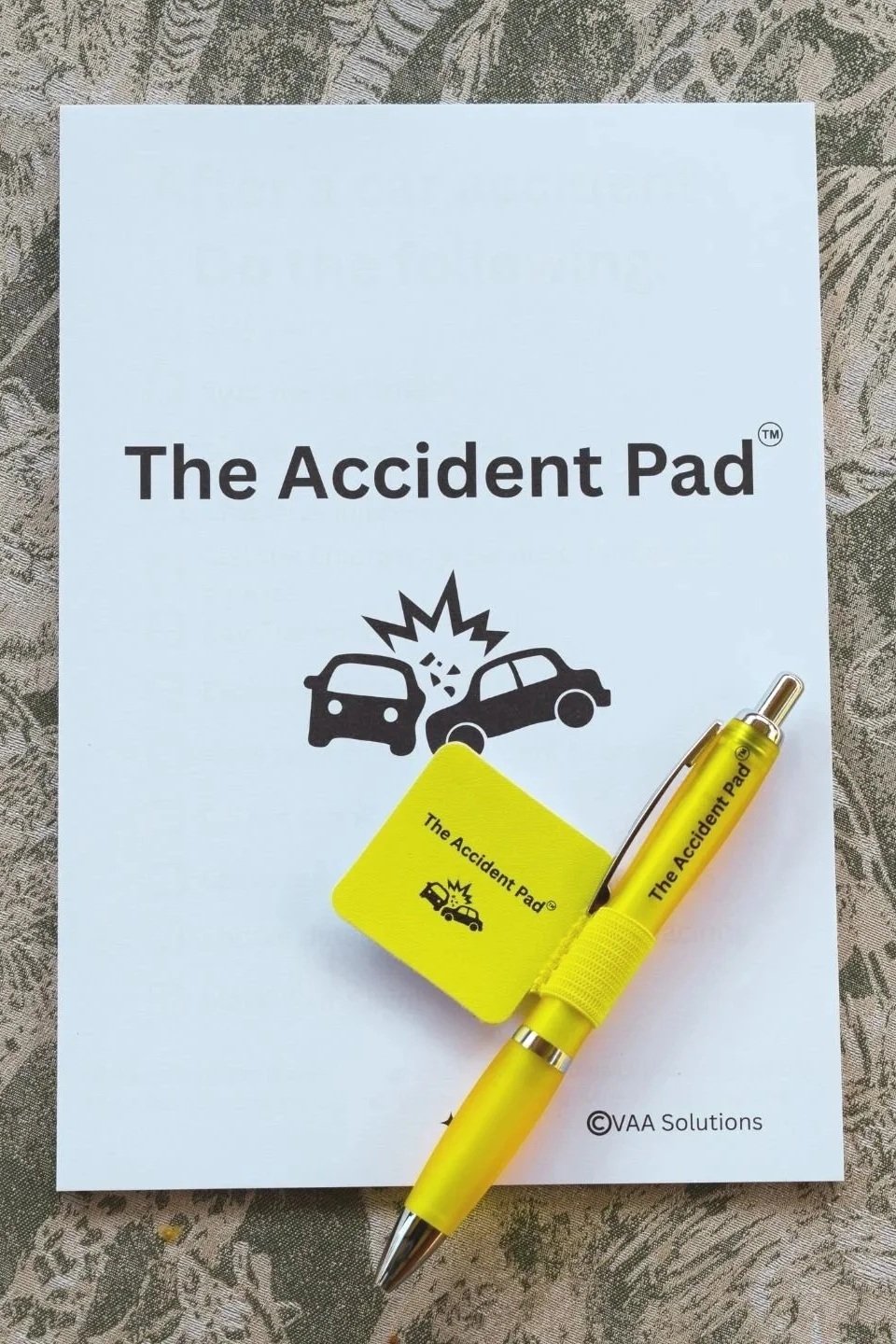
The Accident Pad is a compact (A5) pad containing all the essential prompts, checklists, and up-to-date professional advice you’ll need to capture the right details after being involved in a car accident.
SHIPPING From the 9th of March 2026
Is this only about older drivers?
Not at all.
It’s true that eyesight often changes more as we get older, and older drivers are often part of the conversation when road safety is discussed. But eyesight issues can affect anyone.
Younger drivers can have uncorrected vision problems too. Prescription changes can creep up gradually. Some people only really notice a problem when driving at night, in poor weather, or when bright sunlight and glare make things harder.
So while older motorists may feel particularly conscious of these discussions, the reality is that this is relevant to every driver on the road.
A few simple ways to protect yourself
The good news is that this is one of those problems where a little bit of prevention can go a long way. Here are a few ways to protect yourself.
✔️Get your eyes tested regularly
It sounds obvious, but it’s easy to put off. A regular eye test can pick up changes before they become a real issue.
✔️Make sure your prescription is up to date
If you wear glasses or contact lenses for driving, they need to be the right prescription. Driving in outdated glasses isn’t something to brush off.
✔️Pay attention to night driving
A lot of people notice vision problems more when driving in the dark, in the rain, or when facing headlight glare. If driving has started to feel more difficult in those conditions, don’t ignore it.
✔️Be honest with yourself
If road signs are getting harder to read, if you’re squinting more than you used to, or if you’re feeling less confident behind the wheel, it’s worth getting checked.

Why this matters to me
As the creator of The Accident Pad, I spend a lot of time thinking about what happens in those moments when something goes wrong on the road.
Of course, the ideal is always to avoid an accident in the first place. And making sure your eyesight is safe and legal is one of those simple but really important things that can help.
It’s not about frightening anyone or making people feel judged. It’s just about being realistic. We all change. Our bodies change. Our eyesight changes. And staying safe sometimes means paying attention to the things we’d rather not think about.
So if it’s been a while since your last eye test, take this as your little nudge.
It’s a simple job, but it could make all the difference.
Jenna x
FAQs: Stricter Roadside Eyesight Checks in 2026
What is the legal eyesight standard for driving in the UK?
In the UK, drivers must be able to read a number plate from 20 metres away, which is about the length of five parked cars. If you need glasses or contact lenses to do that, you must wear them when driving. Drivers must also meet the minimum visual acuity standard set out by GOV.UK.
Can the police carry out an eyesight test at the roadside?
Yes. Police can already carry out roadside eyesight checks by asking a driver to read a number plate from 20 metres away. This has long been part of road safety enforcement in the UK.
What happens if you fail a roadside eyesight test?
If you fail the roadside number plate test, you may not be allowed to continue driving, and the DVLA can revoke your licence. GOV.UK says people who later reapply after previously failing a police roadside eyesight test must complete a further number plate test before a licence will be issued again.
Do stricter roadside eyesight checks only affect older drivers?
No. The legal eyesight standard applies to all drivers, regardless of age. There is currently a government consultation about mandatory eyesight testing for older drivers, but the basic legal requirement to meet the eyesight standard applies to everyone on the road.
Are there new eyesight rules for older drivers in 2026?
There is a 2026 government consultation on introducing mandatory eyesight testing for older drivers, but that is separate from the general legal eyesight standard that already applies to all motorists. In other words, older drivers may be part of new policy discussions, but all drivers still need to meet the existing standard now.
Can you drive if your eyesight is poor but you wear glasses or contact lenses?
Yes, as long as your eyesight meets the legal standard when wearing your glasses or contact lenses. GOV.UK makes clear that corrective lenses can be worn to meet the required standard for driving.
What if you only struggle with driving at night?
Night driving problems still matter. Glare, reduced contrast, and poor visibility can make it harder to drive safely, even if your daytime vision seems mostly fine. The legal standard includes being able to read a number plate from 20 metres, but if night driving has started to feel more difficult, it’s sensible to book an eye test and get it checked properly.
Is it illegal to drive if you know your eyesight is not good enough?
Yes. GOV.UK and police guidance make clear that driving when you cannot meet the eyesight standard is an offence. Police guidance also notes that drivers with uncorrected defective eyesight can face penalties, including points, fines, and possible disqualification.
How often should drivers get their eyes tested?
The GOV.UK driving eyesight rules page sets out the legal standard, but opticians commonly recommend routine eye tests every two years unless you are advised to go more often. For your post, it is sensible to keep the wording practical and encourage regular eye tests, especially if anything about your vision has changed.
Can younger drivers fail an eyesight test too?
Yes. Eyesight problems are not limited to older drivers. Any driver who cannot meet the legal standard could fail a roadside eyesight check, whether they are young, middle-aged, or older.
How can I check whether my eyesight is good enough to drive?
A simple starting point is to see whether you can read a number plate from 20 metres away in good daylight, wearing your usual driving glasses or contact lenses if you need them. If you are unsure, book a proper eye test rather than guessing.
Why does eyesight matter so much when driving?
Good eyesight helps drivers spot hazards, read road signs, judge distance, and react safely to what is happening around them. Police and road safety guidance both stress that poor vision increases the risk of collisions, which is why eyesight checks are treated as such an important part of road safety.
Please note:These FAQs are correct to the best of our knowledge at the time of writing. However, driving laws, DVLA guidance, and police enforcement processes can change, so it’s always worth checking the latest official advice if you’re unsure about the current rules. If you have any concerns about your eyesight and driving, it’s also sensible to speak to an optician or the relevant official body for up-to-date guidance.