We Always Prepare Our Cars for Winter... But What About Summer?
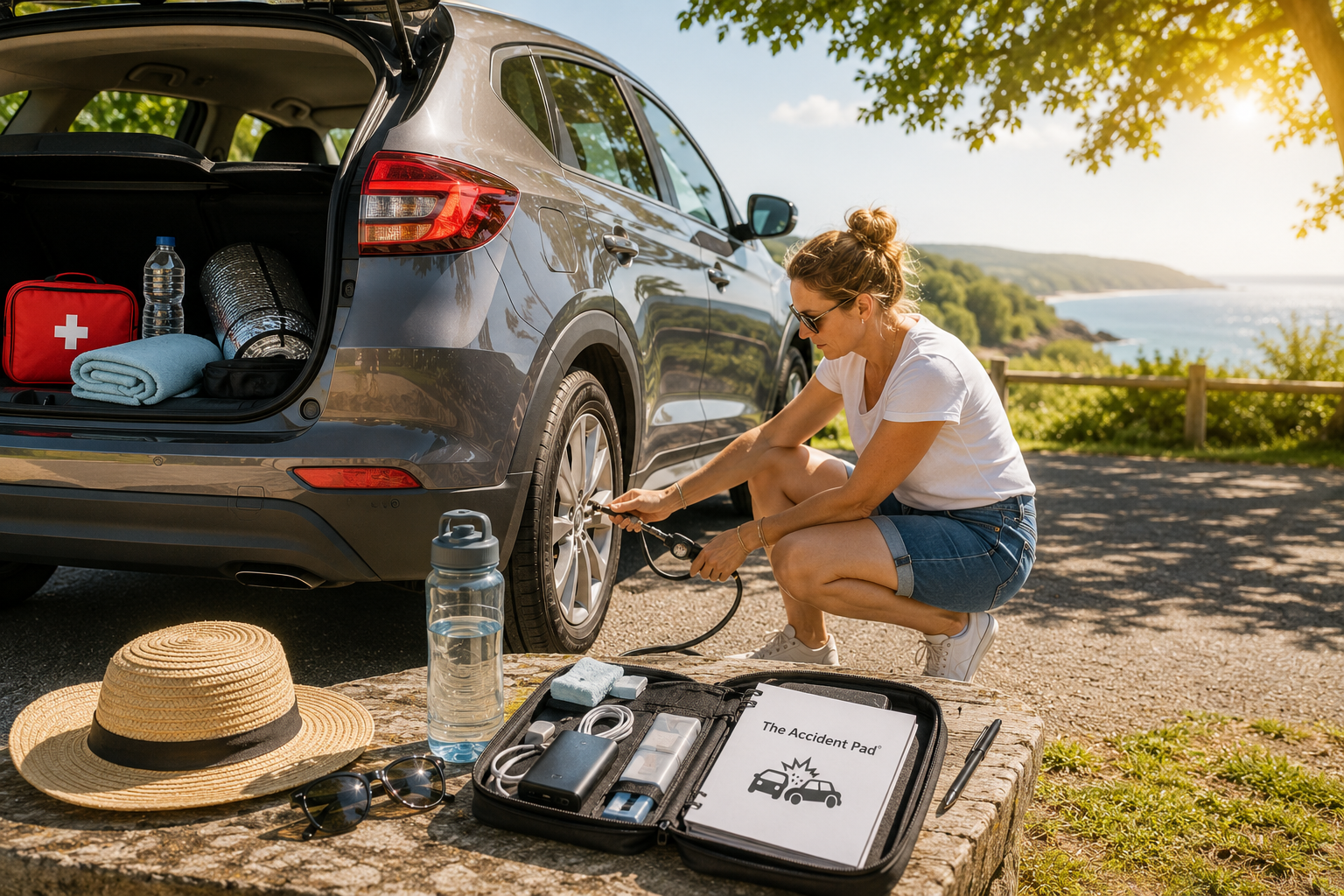
Every year, as soon as winter starts creeping in, we're reminded to check our tyres, top up the screenwash and throw an ice scraper into the boot.
And that's great advice. But with the unprecedented temperatures we've been experiencing across the UK and most of Europe recently, I started wondering... why don't we talk about preparing our cars for summer just as much?
Extreme heat can be just as challenging as freezing temperatures, and it doesn't just affect your car either. It can affect your concentration, your comfort and, ultimately, how safely you drive.
Thankfully, getting your car summer-ready doesn't take hours. A few simple checks before you set off can help reduce the chance of breakdowns, make your journeys more comfortable and give you one less thing to worry about.
So, before you get going on your next journey, here are a few things I'd recommend checking.
Give Your Tyres a Quick Once Over
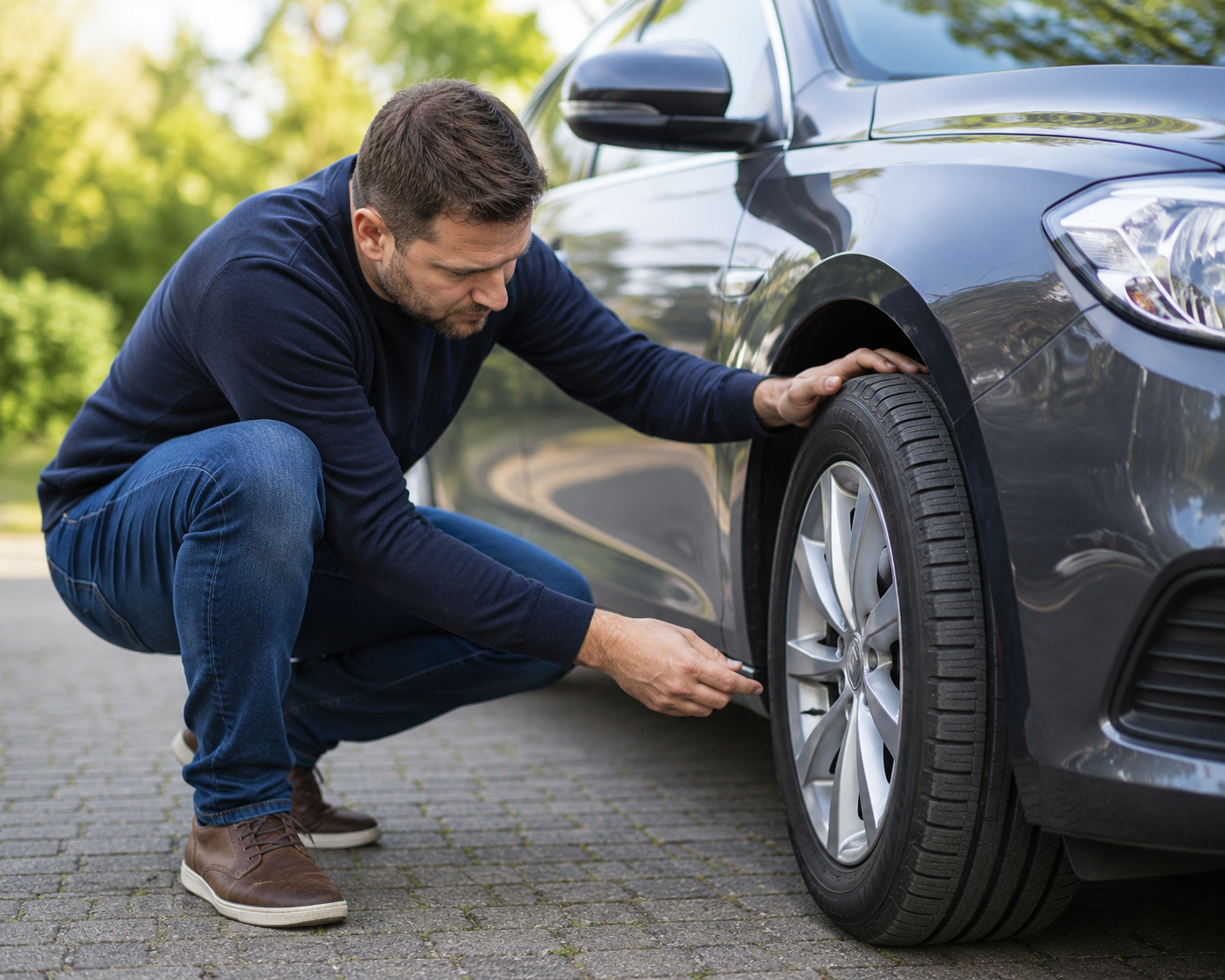
Your tyres are one of the hardest-working parts of your car, and hot weather puts them under even more stress.
As the road surface heats up, your tyres heat up too. If they're under-inflated or already worn, they're more likely to wear unevenly, overheat or become damaged.
So, if you’re about to go on a long trip (or even a short one), check they're inflated to the manufacturer's recommended pressure and make sure there's plenty of tread remaining. And while you're there, have a quick look for cuts, cracks, bulges or anything that doesn't look quite right.
Also, if you are planning a longer journey, don't forget that carrying extra passengers or luggage may mean your tyre pressures need adjusting. Your vehicle handbook will tell you the correct settings.
It's one of those jobs that's easy to put off, but it only takes a couple of minutes and could prevent a much bigger problem later on.
Keep an Eye on Your Coolant
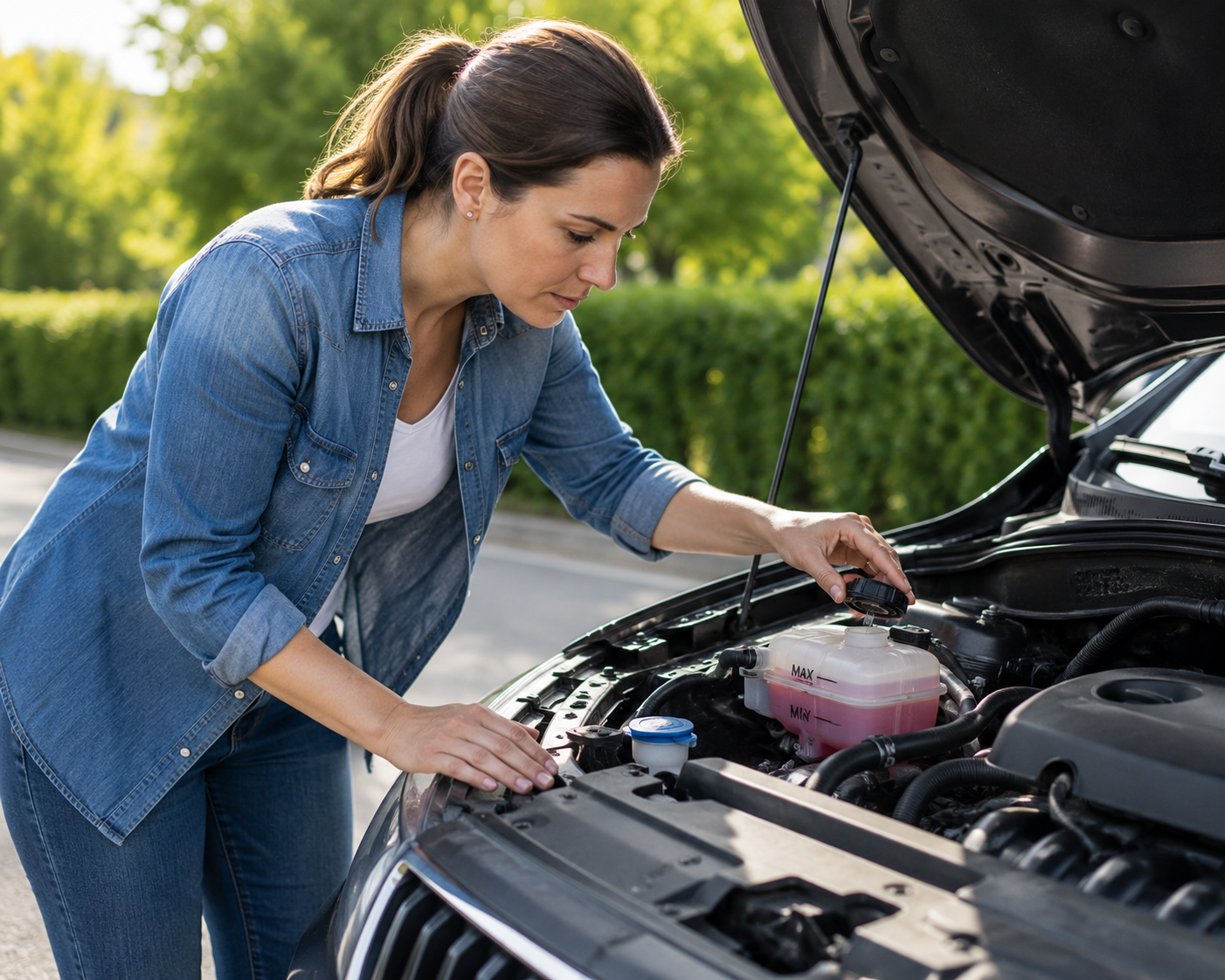
The cooling system plays a vital role in preventing your engine from overheating, so it's worth checking your coolant level before any longer journeys. If it's lower than it should be, top it up using the correct coolant recommended for your vehicle rather than relying on plain water.
While you're under the bonnet, it's also worth checking for obvious leaks or cracked hoses. Catching a small issue now could prevent an inconvenient breakdown later. And if your engine does overheat while you're driving, don't be tempted to remove the coolant cap straight away. Allow everything to cool completely first, as the system will still be under pressure and opening it too soon can be dangerous.
Look After the Driver Too

We often think about what the heat does to our cars, but not what it does to us.
Driving in high temperatures can be surprisingly tiring. Sitting in traffic, dealing with glare from the sun and spending hours behind the wheel can all reduce concentration and increase fatigue.
✔️A few simple things can make a huge difference:
✔️Take plenty of drinking water.
✔️Wear sunglasses to reduce glare.
✔️Use the air conditioning sensibly or keep fresh air circulating through the vehicle.
✔️Plan regular breaks if you're travelling longer distances.
And if you begin feeling tired, dizzy or uncomfortable, don't try to push through it. Pull over somewhere safe, stretch your legs, have a drink and give yourself chance to cool down.
Arriving ten minutes later is always better than not arriving safely at all.
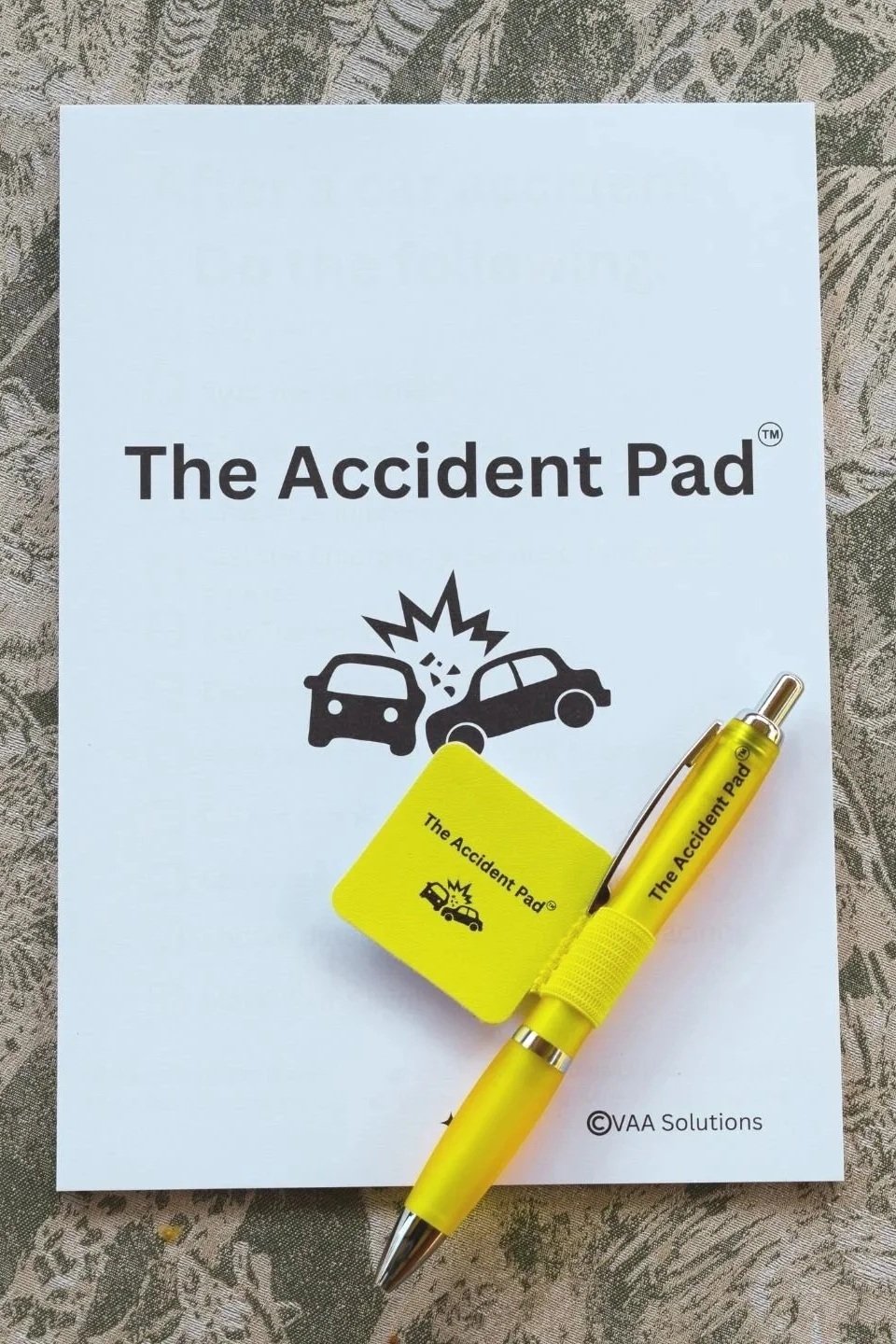
The Accident Pad is a compact (A5) pad containing all the essential prompts, checklists, and up-to-date professional advice you’ll need to capture the right details after being involved in a car accident.
SHIPPING From the 9th of March 2026
Pack for Summer, Not Just Winter
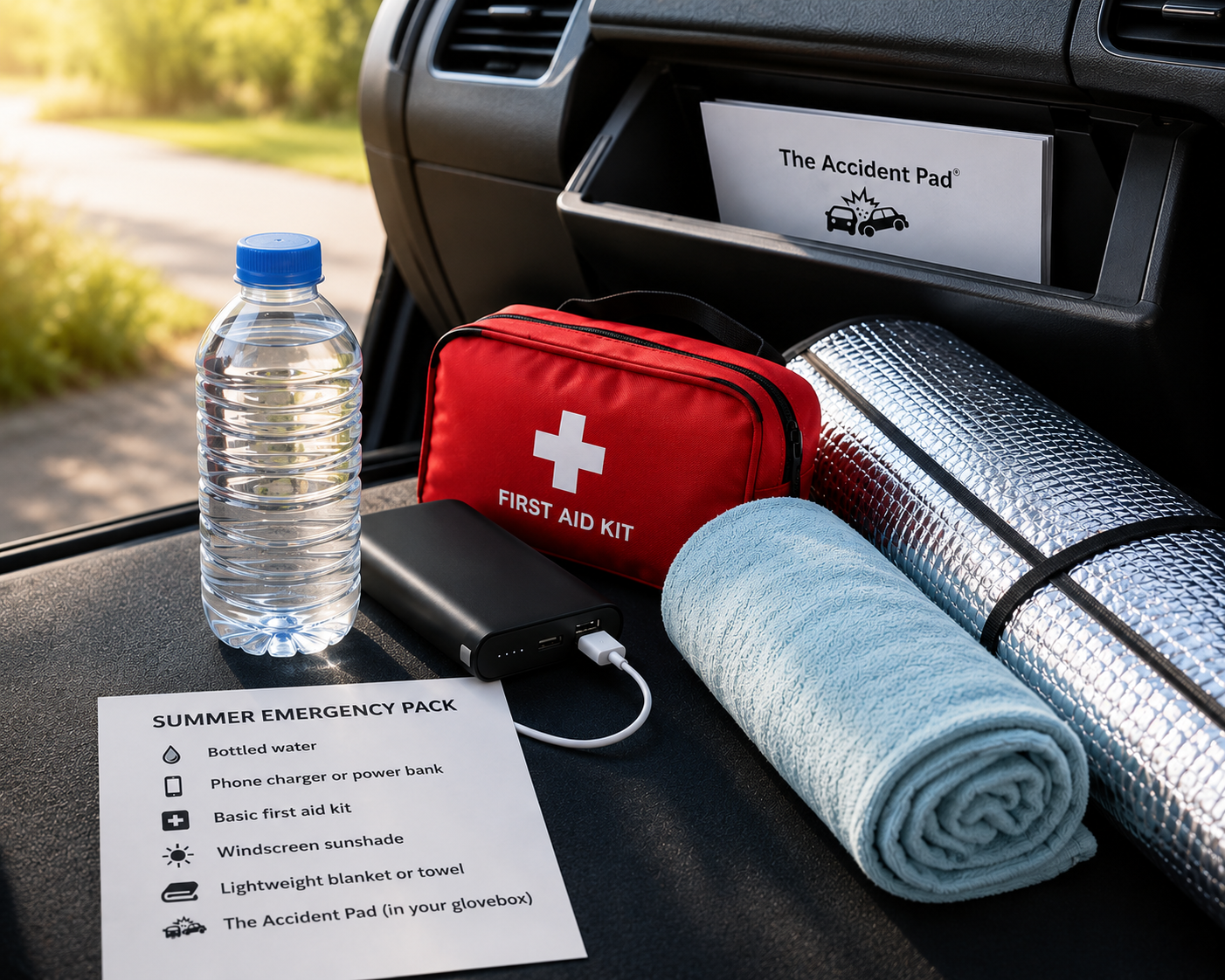
Most of us have some sort of emergency kit during winter (don’t we?), but summer deserves one too.
Heatwaves can lead to traffic jams, vehicle breakdowns and long delays, particularly around holiday periods, and keeping a few essentials in your car can make those situations far more manageable.
Some of these are obvious, I know, but I'd always recommend having:
✔️Bottled water.
✔️A phone charger or power bank.
✔️A basic first aid kit.
✔️A windscreen sunshade.
✔️A lightweight blanket or towel.
✔️And, of course, The Accident Pad tucked away in your glovebox.
Hopefully you'll never need most of these items. But you'll be really glad they're there if you do.
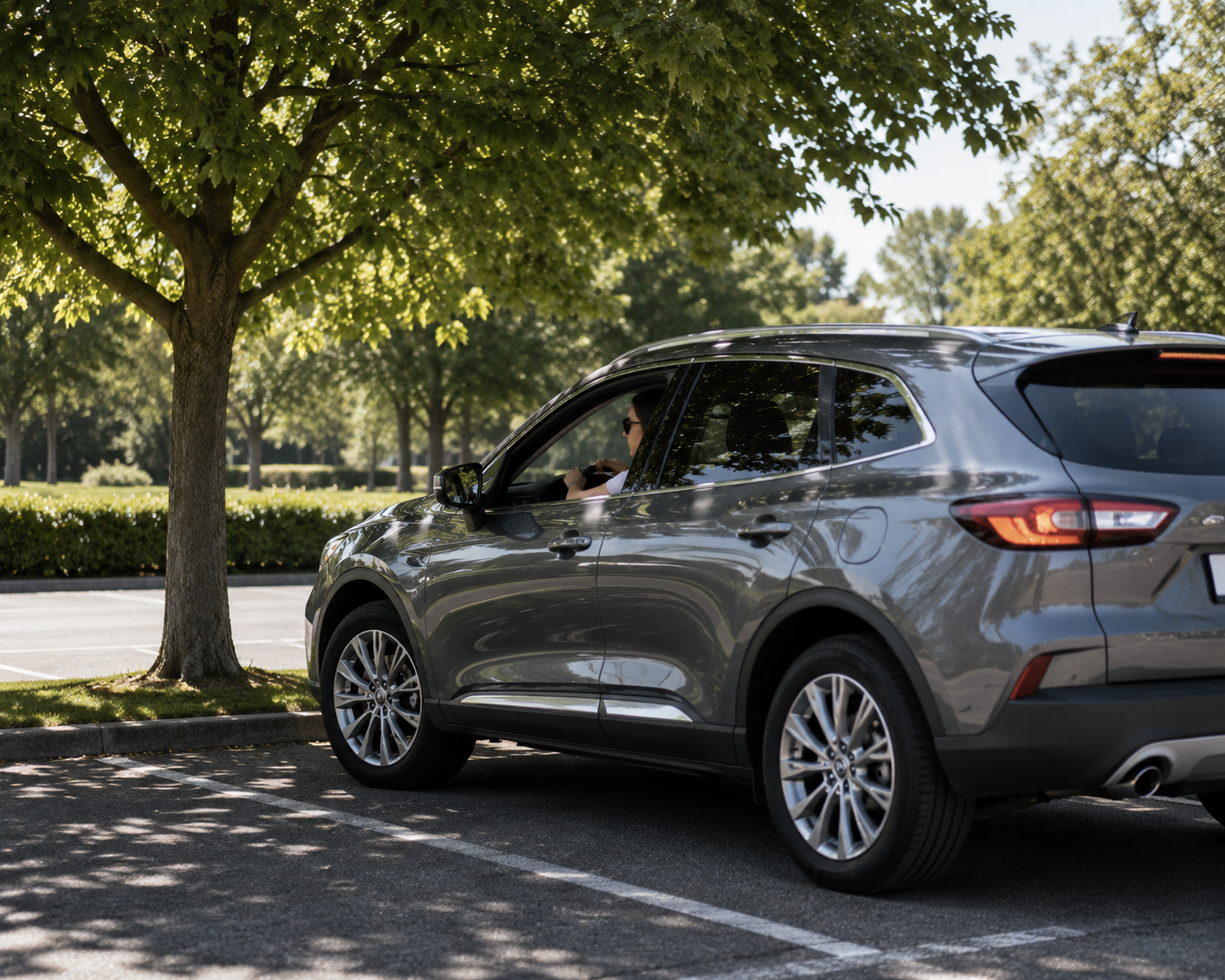
Park Smart
Where you leave your car can make more difference than you might think. Parking in the shade helps keep the cabin cooler, protects your dashboard and upholstery from prolonged sun exposure and makes getting back into the car a much more pleasant experience.
If you can't find a shaded space, a reflective windscreen sunshade is well worth using. It can significantly reduce the temperature inside the vehicle and protect your steering wheel from becoming too hot to touch.
You can also leave a window open very slightly where it's safe to do so, helping hot air escape while you're away from the car.
The Bit People Often Forget
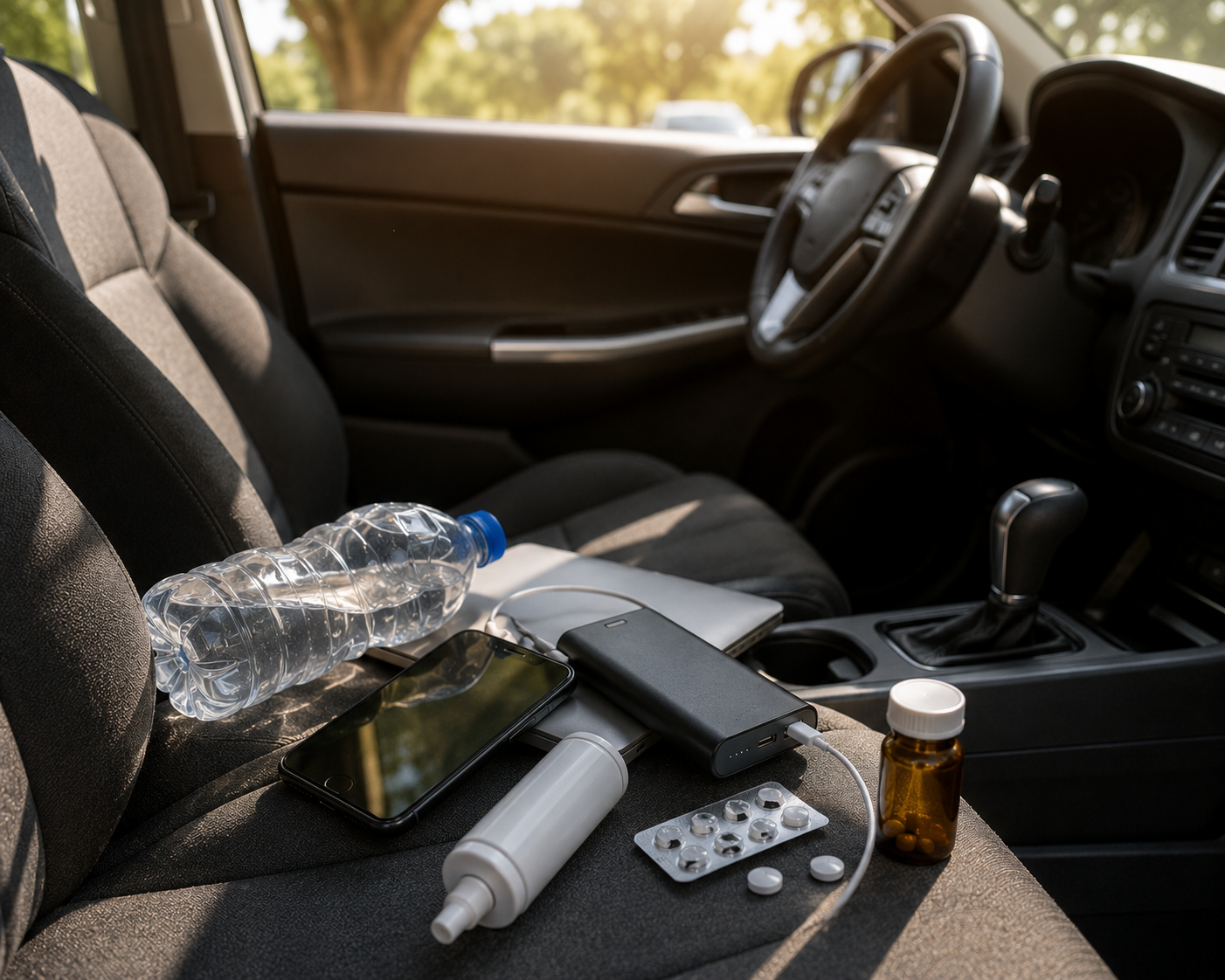
This is something that doesn't get talked about nearly enough.
On a hot day, the temperature inside a parked car can climb incredibly quickly — often much higher than the temperature outside. That means everyday items can be affected before you even realise it.
Mobile phones, laptops and power banks can overheat. Plastic bottles can become misshapen. Aerosols should never be left in a hot vehicle, and medicines can lose their effectiveness if stored above their recommended temperature.
And then there are our passengers. Pets and children should never be left alone in a parked car, even for a few minutes. Temperatures can rise alarmingly fast, even if the windows are slightly open.
It's one of those simple things we all know, but it's always worth repeating when the weather gets like this.
Nobody Plans to Have an Accident
Accidents happen at all times of the year, and when they do, most drivers are less prepared than they could be. I mean… who plans for an accident?
But, when accidents do happen the stress of the situation makes it almost impossible for people to remember which details to collect, which photos to take, and what they should say or not say. etc.
And that's precisely why I created The Accident Pad.
This neat little pad guides you through everything you need to record while it's still fresh in your mind, helping you stay calm and avoid forgetting important information. I hope you never need to use it. But if you ever do, it’ll make a stressful situation just that little bit easier.
Enjoy the Sunshine... Safely
Summer should be about road trips, family days out, holidays and making memories. But, spending just a few minutes preparing your car before you leave can help prevent unnecessary stress and keep everyone safer on the journey.
So, fill up your water bottle, check those tyres, keep your cool and enjoy everything summer has to offer.
Hopefully, the biggest decision you'll have to make is whether to stop for an ice cream... or two.
Stay safe,
Jenna x