10 Common Post-Accident Myths (And Why They Can Catch You Out)
If you've ever been involved in a road traffic accident, you'll know your brain seems to go into overdrive. One minute you're happily driving along, the next you're trying to remember where your insurance documents are, wondering if everyone's okay and hoping someone else knows what they're doing.
Then you start thinking about all the advice you’ve heard over the years…
"Don't worry about taking photos."
"You don't need to tell your insurer."
"Just sort it out between yourselves."
Some of it sounds perfectly sensible... until it isn't.
So, I thought I'd tackle some of the biggest post-accident myths around, and hopefully, it'll help you avoid a few common mistakes if you ever find yourself in that situation.
Myth 1: "It's only a little bump. There's no point reporting it."
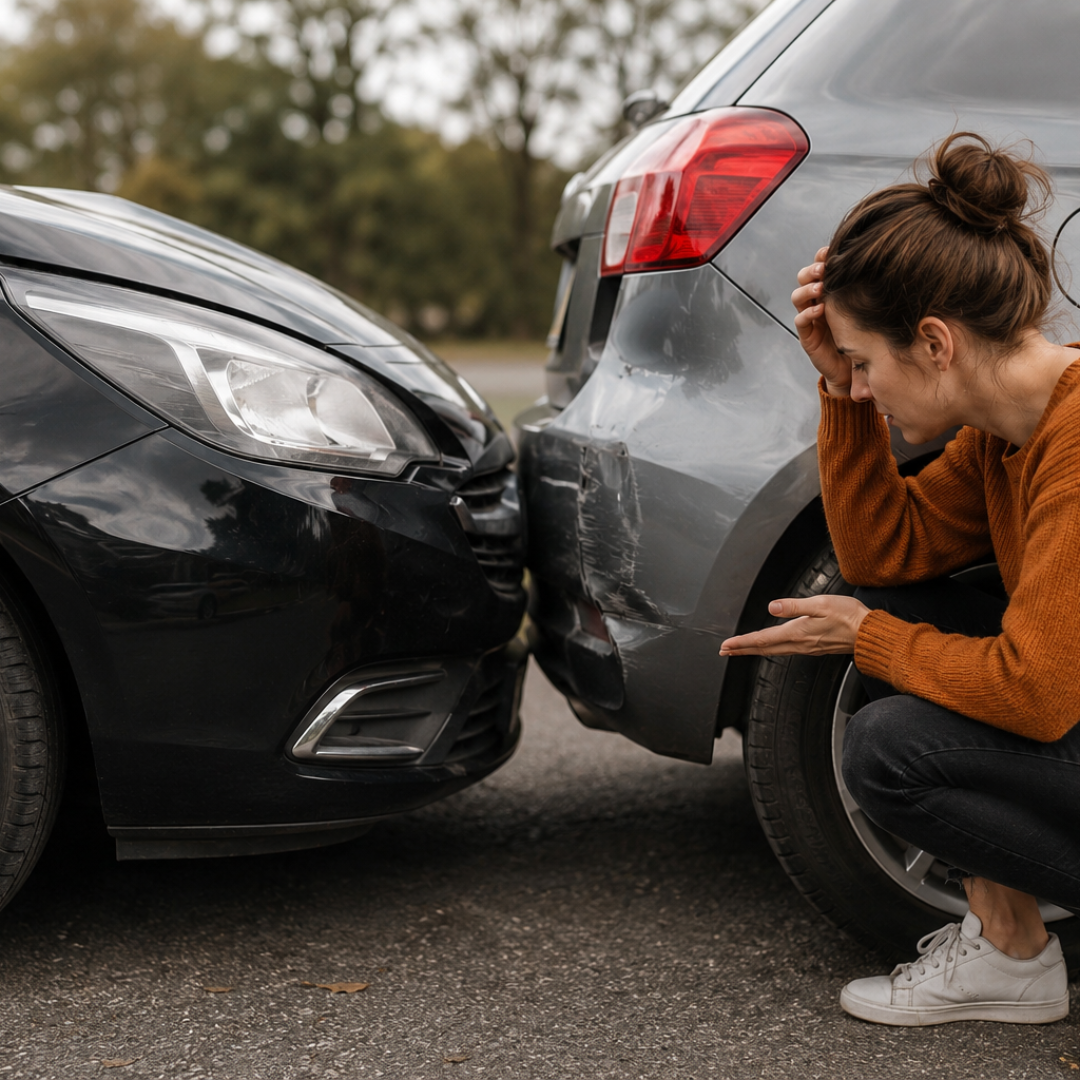
If I had a pound for every time I've heard this, I'd probably have enough to buy everyone reading this a coffee. However, what looks like a tiny scrape on the outside can sometimes hide much more expensive damage underneath.
So, even if the accident seems minor, it's often worth reporting it to your insurer and keeping a record of what happened. It's far easier to have the information and not need it than the other way round.
🚗The Accident Pad Tip
Take photos and write everything down while it's still fresh in your mind. Even if you never need the information, you'll be glad you have it if questions arise later.
Myth 2: "I feel fine, so I must be fine."
I'd love it if our bodies worked like that. Unfortunately, adrenaline has other ideas. Straight after an accident you can feel absolutely fine, only to wake up the next day wondering why your neck won't turn properly.
Whiplash, muscle strains and even concussions don't always announce themselves immediately, so if something doesn't feel right later on, don't ignore it. Getting checked over is always the sensible option.
🚗The Accident Pad Tip
Keep an eye on how you feel over the next 24–48 hours. If you notice pain, dizziness or any new symptoms, seek medical advice as soon as possible.
Myth 3: "I'll just say sorry. It's only being polite."
This one catches out a lot of genuinely nice people.
Most of us are programmed to apologise for everything. We apologise when someone else bumps into us in the supermarket! After an accident though, it's better to stick to checking everyone's okay, exchanging details and talking about what happened rather than who caused it.
Leave the insurers to work out liability. That's what they're there for.
🚗The Accident Pad Tip
Stay calm, stick to the facts and focus on collecting the right information. Let the insurers decide who's responsible once they've reviewed all the evidence.
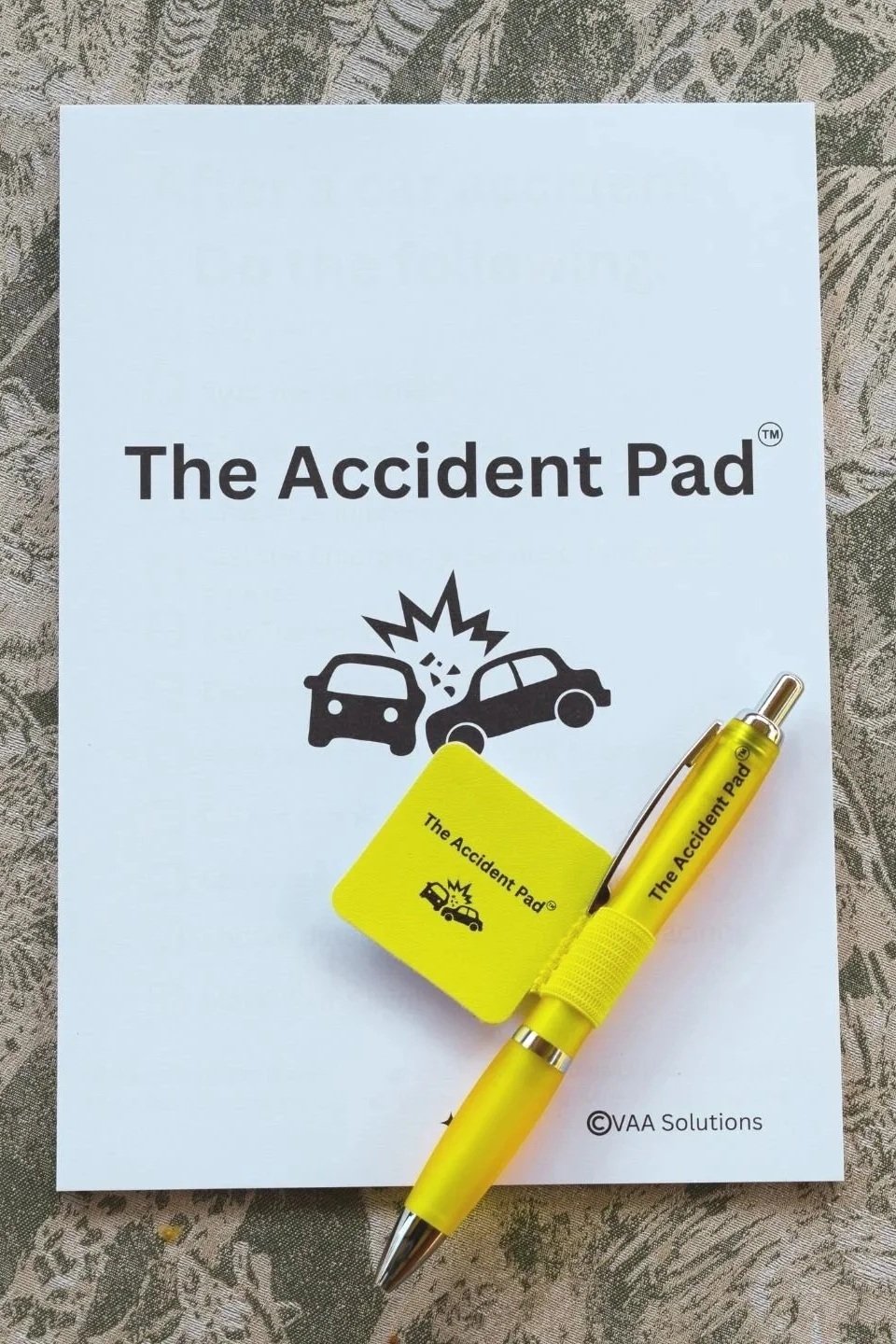
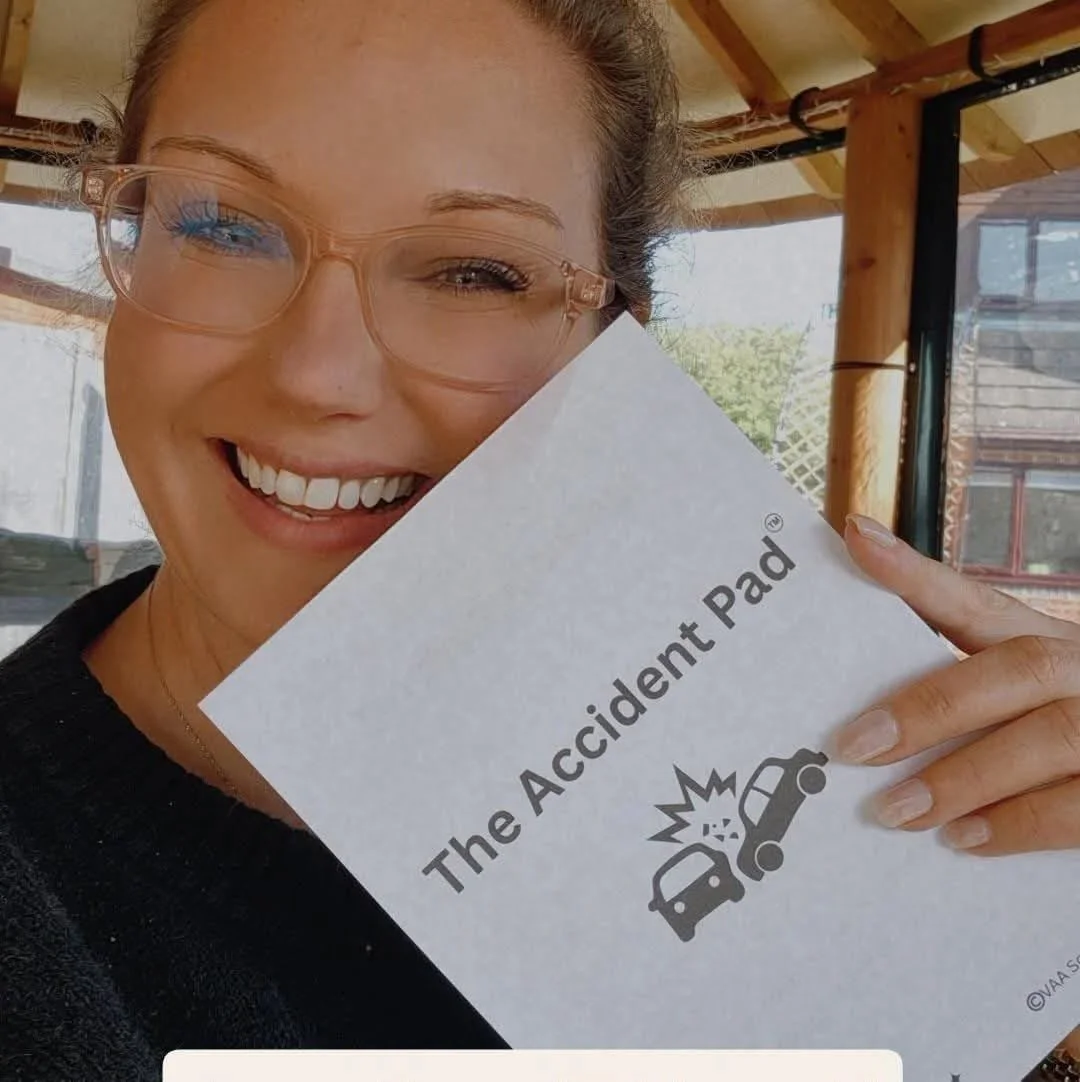
The Accident Pad is a compact (A5) pad containing all the essential prompts, checklists, and up-to-date professional advice you’ll need to capture the right details after being involved in a car accident.
SHIPPING From the 9th of March 2026
Myth 4: "We both agree what happened, so photos aren't needed."
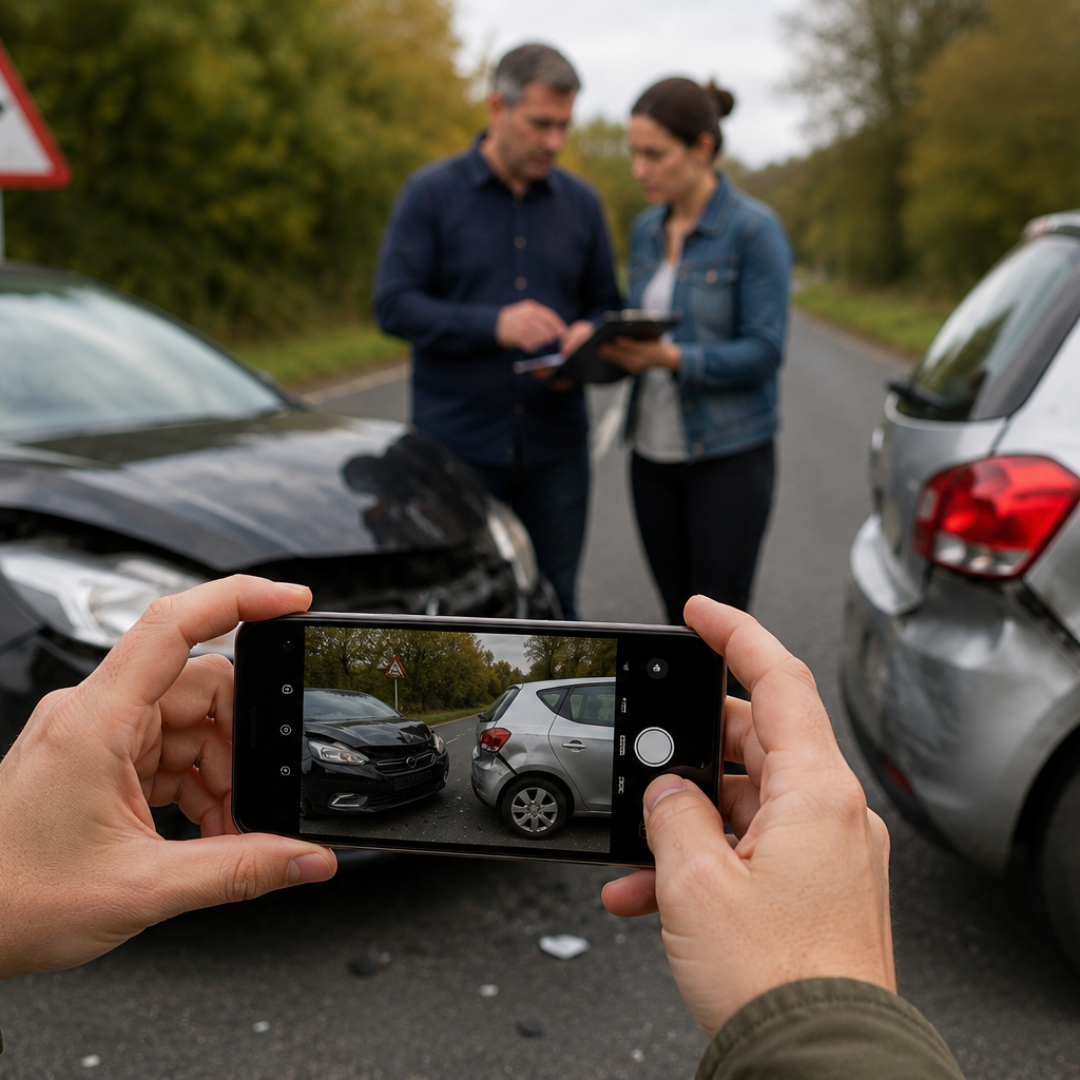
Famous last words.
At the roadside, everyone might be completely on the same page.
A week later? Maybe not quite so much.
Photos don't take sides, they simply record what was there. A few pictures of the vehicles, the road, number plates, road signs and any damage could save a lot of headaches further down the line.
🚗The Accident Pad Tip
When it comes to photographs, there's no such thing as taking too many (provided you're somewhere safe, of course!).
Myth 5: "If you hit an animal, just drive away."
Please don't.
First of all, make sure you're somewhere safe before doing anything else. If you can pull over safely, switch on your hazard lights and assess the situation.
Don't approach an injured animal, no matter how much you want to help. A frightened animal can react unpredictably and you could end up injured as well.
And here's something many people don't realise... if you've hit certain animals, including dogs, horses, cattle, sheep, pigs or goats, you may be legally required to report it to the police if the owner isn't present.
It's not just about protecting yourself, it's also about protecting other road users.
🚗The Accident Pad Tip
Your first instinct might be to help the animal, but your own safety has to come first. Never put yourself in danger by stepping into live traffic.
Myth 6: "We'll just sort it out between ourselves."
I completely understand why people think this.
Nobody wants the hassle of insurance claims if it's only a small bump. But what looks like a scuffed bumper today could turn into a much bigger repair bill once the garage has had a proper look. The same goes for injuries… sometimes they don't show up until a day or two later.
If you do decide to settle things privately, make sure you're absolutely confident everyone understands what's been agreed. Otherwise, involving your insurer is usually the safest option.
🚗The Accident Pad Tip
Today's "tiny scrape" could reveal tomorrow's expensive repair. Don't rush into a decision while you're still feeling shaken.
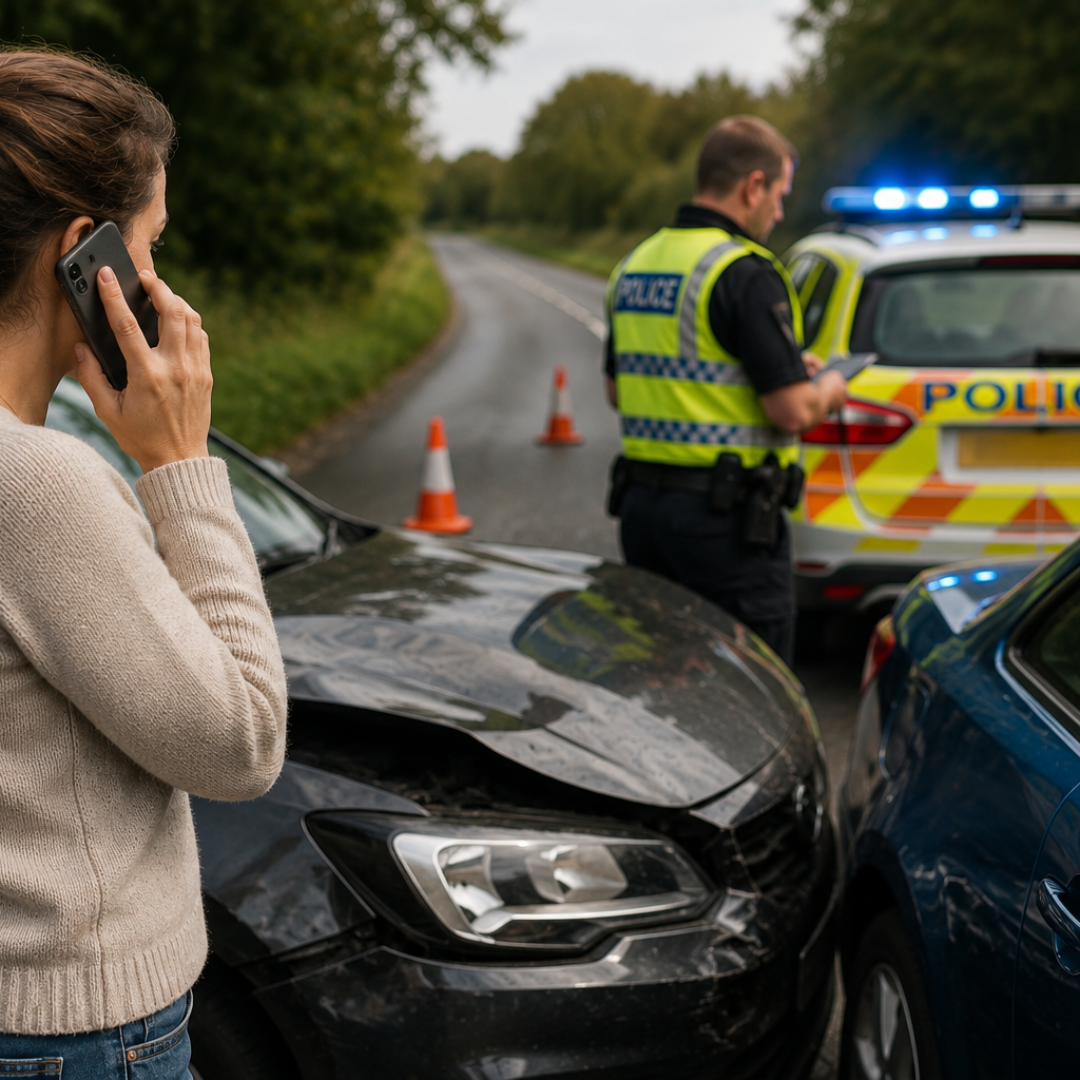
Myth 7: "The police don't need to be involved."
Sometimes that's true.
Sometimes it definitely isn't.
If someone has been injured, the road is blocked, there's significant damage or the circumstances require it, contacting the police may be the right thing to do.
If you're ever unsure, it's always better to check than assume.
🚗The Accident Pad Tip
You don't have to know every rule by heart. If you're unsure whether the police should be involved, make the call and ask.
Myth 8: "Who hit whom decides who's at fault."
If only it were that simple!
Fault isn't always obvious, even when everyone thinks it is.
Insurance companies look at all sorts of things, including road markings, witness statements, vehicle damage, CCTV, dashcam footage and the Highway Code before deciding who's responsible.
That's why it's so important not to argue at the roadside. Stick to the facts, exchange details and let the professionals do their job.
🚗The Accident Pad Tip
Think like a detective, not a judge. Your job isn't to decide who's at fault—it's to collect as much accurate information as you can and let the insurers piece the puzzle together.
Myth 9: "If I tell my insurer, my premium will definitely go up."
This one worries a lot of drivers.
The truth is, reporting an accident doesn't automatically mean your premium will increase. Insurers look at lots of different factors, including who was at fault, your driving history, the value of the claim and the details of your policy.
Every situation is different, so don't let fear of your renewal stop you reporting something you should.
🚗The Accident Pad Tip
Reporting an accident and making a claim aren't necessarily the same thing. If you're unsure, have a chat with your insurer.
Myth 10: "Once I've reported it, I can throw everything away."
I wish it were that easy!
It's well worth keeping everything connected to the accident until the claim has been completely settled. That means photographs, repair estimates, receipts, emails, medical appointments, claim reference numbers, and anything that relates to the incident.
Hopefully you'll never need to look at them again... but if you do, you'll be very glad you kept them.
🚗The Accident Pad Tip
A simple folder (or even a folder on your phone) can save a surprising amount of stress if questions come up later.
So, What Should You Do After an Accident?
That's quite a few myths to take in, and hopefully most of them have been busted for good!
The reality is that no two accidents are exactly the same, but the steps you take in the minutes afterwards can make a huge difference. Staying as calm as possible, thinking clearly and gathering the right information can save a lot of unnecessary stress if you need to make an insurance claim later.
If you only remember one part of this blog, make it this.
Try to:
✔️Make sure everyone is safe and call the emergency services if needed.
✔️Exchange names, contact details and insurance information.
✔️Take plenty of photographs from different angles.
✔️Ask witnesses if they're happy to share their contact details.
✔️ Get checked over if there's any chance you've been injured.
✔️Tell your insurer as soon as you reasonably can.
✔️Keep every photo, receipt, email and document relating to the accident.
Nobody expects to have an accident, but knowing what to do afterwards can make a stressful situation much easier to deal with.
Be Prepared Before You Need To Be
Hopefully, you'll never have to put any of this advice into practice. But if you do, you'll have enough on your mind without trying to remember what information you need to collect while standing at the side of the road. That's exactly why I created The Accident Pad.
It guides you through everything you should record after an accident, from driver and witness details to scene sketches, vehicle damage and all those little details that are so easy to forget once the adrenaline kicks in.
Keep one in your glovebox and, hopefully, it'll stay there unused for years.
Stay safe,
Jenna x
Frequently Asked Questions About What to Do After a Car Accident
What should I do immediately after a car accident?
Your first priority should always be safety. Check whether anyone has been injured and call the emergency services if they're needed. If it's safe to do so, move your vehicle out of the way of traffic, switch on your hazard lights and exchange contact and insurance details with the other driver. It's also a good idea to take photographs of the scene, vehicle damage and road conditions before leaving. The more information you collect at the time, the easier any insurance claim is likely to be.
Do I need to report a minor car accident to my insurance company?
In many cases, yes. Even if the damage appears minor, there could be hidden vehicle damage or injuries that don't become obvious until later. Many insurance policies also require you to notify your insurer about an accident, regardless of whether you intend to make a claim. Reporting the incident protects you if circumstances change after the other driver has left the scene.
Should I apologise after a road traffic accident?
It's perfectly natural to want to apologise, especially if you're concerned about the other driver's wellbeing. However, it's usually best to avoid saying anything that could be interpreted as accepting responsibility before all the facts are known. Instead, focus on checking everyone is safe, exchanging information and allowing the insurance companies to determine who was at fault.
What information should I collect after a car accident?
Try to gather the names, addresses, telephone numbers and insurance details of everyone involved. You should also note vehicle registration numbers, take photographs of the damage and surrounding area, record the date, time and location, and ask any witnesses if they'd be happy to provide their contact details. Keeping accurate records can make the claims process much smoother.
Should I take photographs after a car accident?
Absolutely. Even if both drivers agree about what happened, photographs provide an accurate record of the scene. Take pictures of the vehicle damage, road layout, road signs, number plates, skid marks and anything else that may help explain how the accident occurred. You can never have too much useful evidence.
What should I do if I hit an animal with my car?
Your safety should always come first. If it's safe to stop, pull over, switch on your hazard lights and assess the situation from a safe location. Don't approach an injured animal, as frightened animals can react unpredictably. If you've hit certain animals, such as a dog, horse, sheep, pig, goat or cow, you may be legally required to report the incident to the police if the owner isn't present. If you're unsure, check the current legal requirements in your area.
Do I need to see a doctor after a car accident if I feel fine?
Not always, but it's worth remembering that adrenaline can mask pain immediately after an accident. Injuries such as whiplash, soft tissue damage and mild concussion may not become apparent until several hours, or even days later. If you develop any symptoms or have any concerns, seek medical advice as soon as possible.
How can I make the insurance claims process easier?
Preparation is key. Record as much information as you safely can at the scene, take photographs, collect witness details, report the incident promptly to your insurer and keep copies of all accident-related documents. Having everything organised from the start can save a great deal of time and stress if questions arise later.